Skip to content
Back to services

Native production for domes

Fulldome Production

We design and produce fulldome content for planetariums, museums, events and installations: from spatial writing to the dome master, with 3D, live action, performance capture, AI-assisted workflows and testing in the real dome.

Overview

Fulldome Production creates images and sound for a hemispherical screen that surrounds the audience. It is not a panoramic video that has simply been warped: composition, scale, pace, motion and points of attention must be designed for the dome geometry and the audience’s real viewing position.

We can develop an original work, adapt existing material or support an in-house team. The scope is agreed before production: objective, audience, duration, diameter, tilt, projection system, resolution, frame rate, audio, languages, rights and distribution method.

Engagement modes

Three ways to commission the work

We can work only on the master, complete an existing pipeline or take responsibility for the full production. The first review separates usable material from what is still missing before time and cost are estimated.

Real projects

From a cinematic production to a focused assignment

Two real projects show different scales: a complex original production and an immersive documentary built through storytelling, AI generation, editing and fulldome finishing.

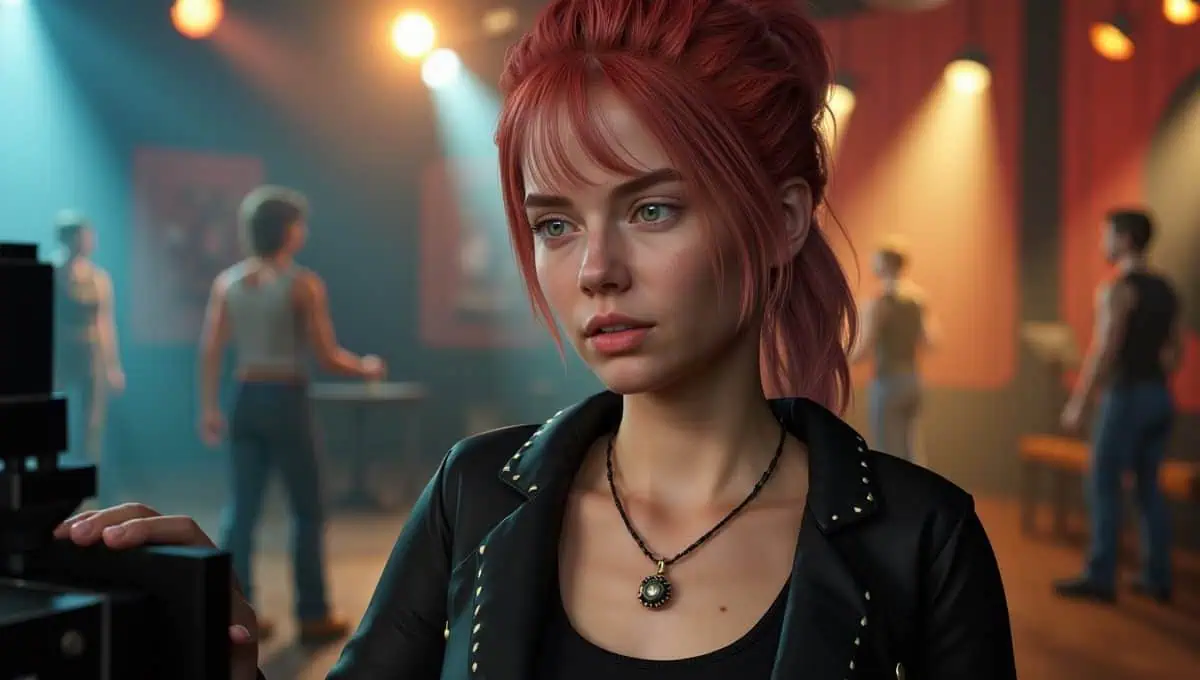
Scene from the fulldome film Luna Dolph with characters and a digital environment

Real project · complete original production

Luna Dolph – The Lost Echo

A narrative film developed across live action and 3D, with AI-assisted motion capture, virtual production and finishing for fulldome distribution.

  • Writing and direction for the dome
  • Live action, characters and 3D environments
  • Compositing, audio and dome master
Open the full case study

Real project · immersive documentary

La Transiberiana d’Italia · Sulmona–Carpinone

A more focused assignment about the history of the Sulmona–Carpinone railway: a three-act story, visual production developed entirely with AI tools, editing, compositing and adaptation to the fulldome format.

  • Three-act documentary storytelling
  • Selected and iterated AI sequences
  • Editing, compositing and dome master
The historic line on Fondazione FS

What is included

Production scope

Operational, technical and decision criteria are defined before the commercial proposal.

Dome brief

We translate the objective, audience and venue into verifiable requirements: geometry, orientation, duration, resolution, frame rate, audio and playback.

Writing and previsualisation

Scripts, spherical storyboards, animatics and scale tests guide attention without relying on a frontal frame.

2D, 3D and virtual production

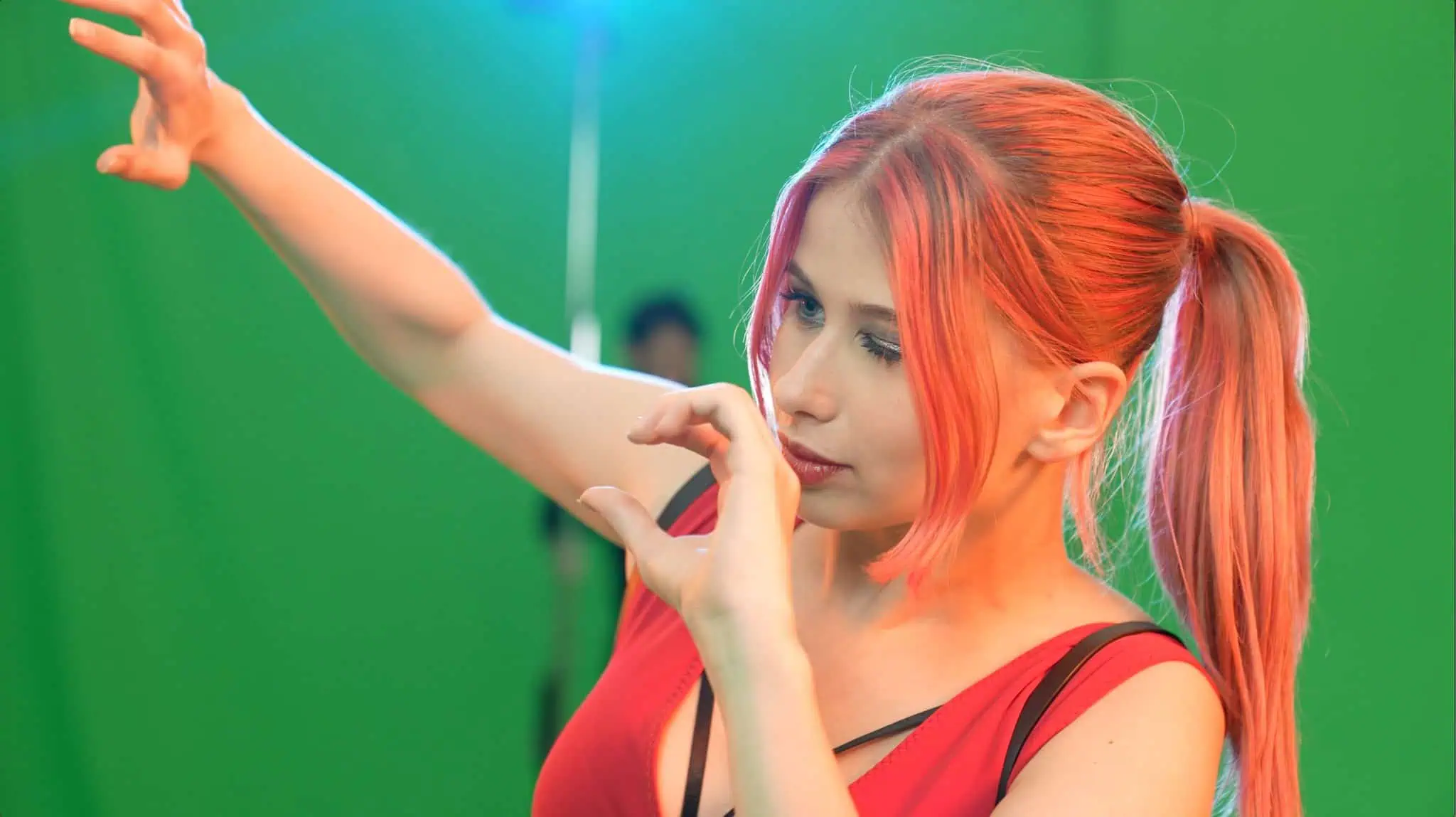
We produce motion design, 3D environments, characters, live action, chroma key and compositing in a dome-master-ready pipeline.

Performance capture and assisted AI

We use AI tools when they reduce repetitive work or accelerate previs and performance capture, while retaining artistic and technical supervision.

Mastering and versions

We deliver the dome master, audio, subtitles or voice-over, preview files and versions required by the playback or distribution system.

Venue testing

We check seams, orientation, legibility, contrast, visual comfort and synchronisation on the real system or a representative setup.

Workflow

From concept to dome master

Each phase closes a concrete decision before the next one is committed. The process can start from scratch or integrate scripts, assets, footage or data that already exist.

  1. Analysis

    We collect objectives, audience, system, dome geometry, schedule, languages, rights and existing materials.

  2. Design

    We define the treatment, spatial grammar, storyboard, animatic, sound concept and acceptance criteria.

  3. Production

    We create footage, animation, environments, performance capture, compositing and audio through tracked reviews.

  4. Mastering

    We convert and check the dome master, sequences, codecs, frame rates and required language versions.

  5. Dome test

    We review the content in a dome, correct critical issues and deliver the agreed masters, metadata and materials.

Inside production

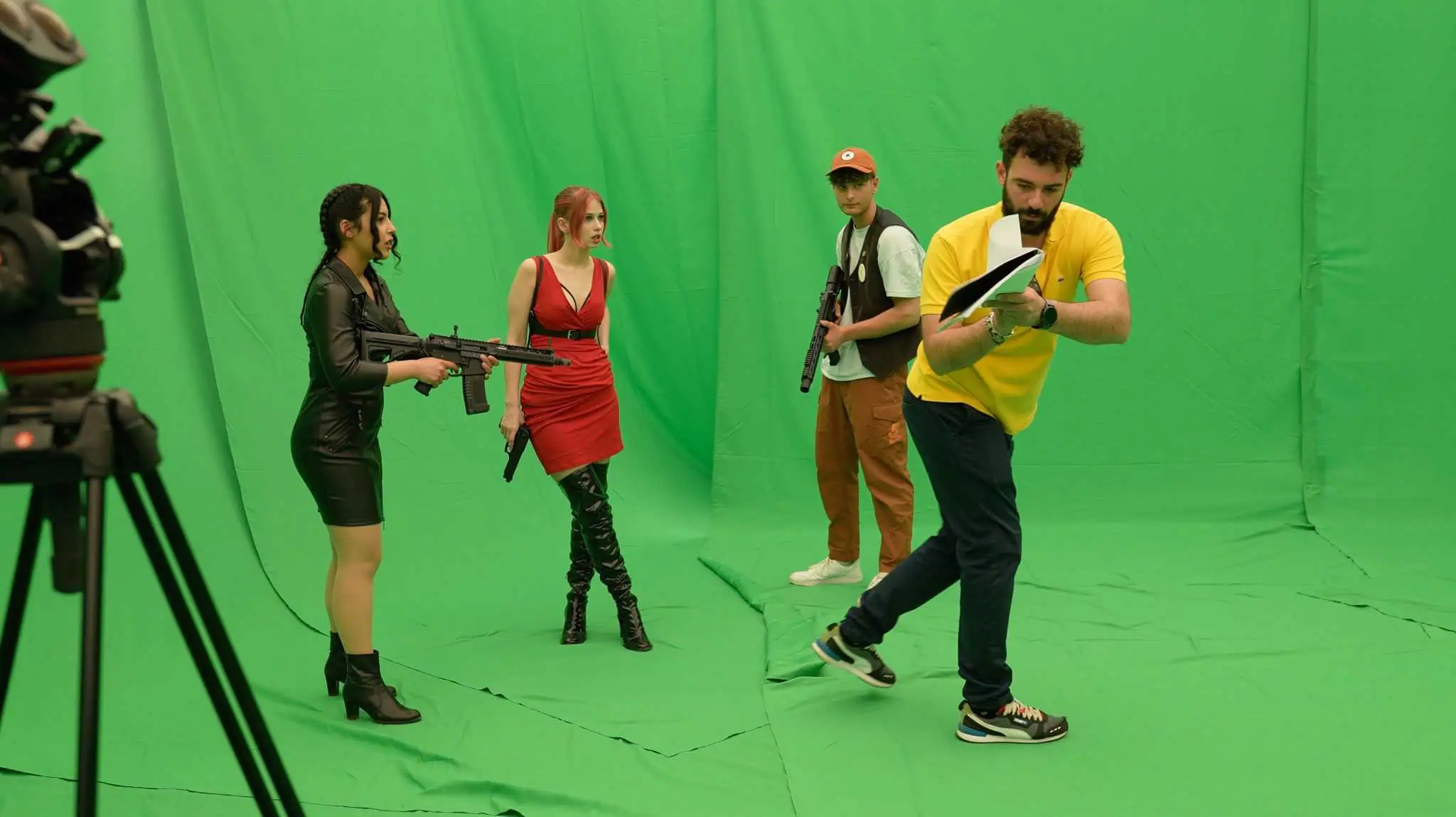
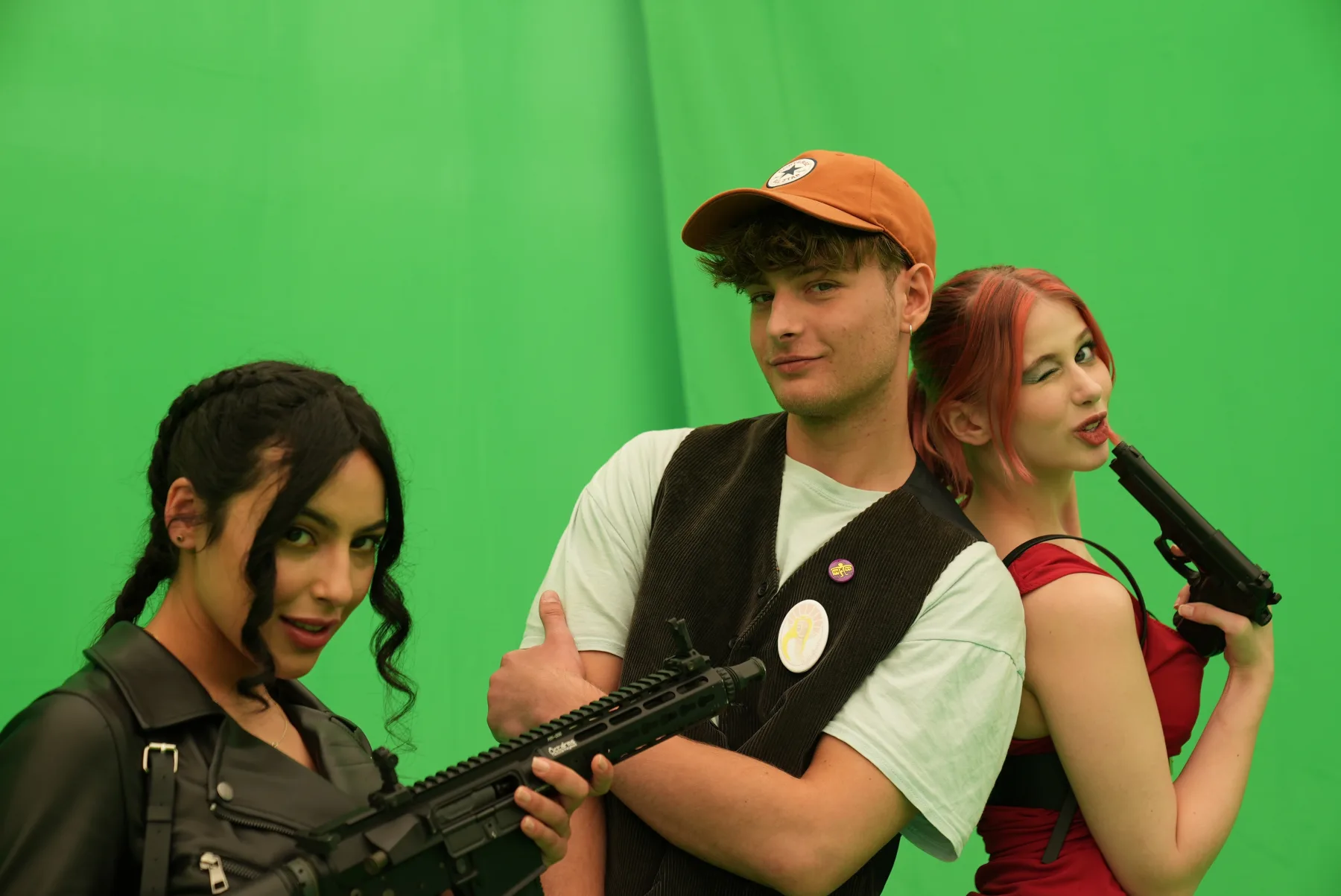
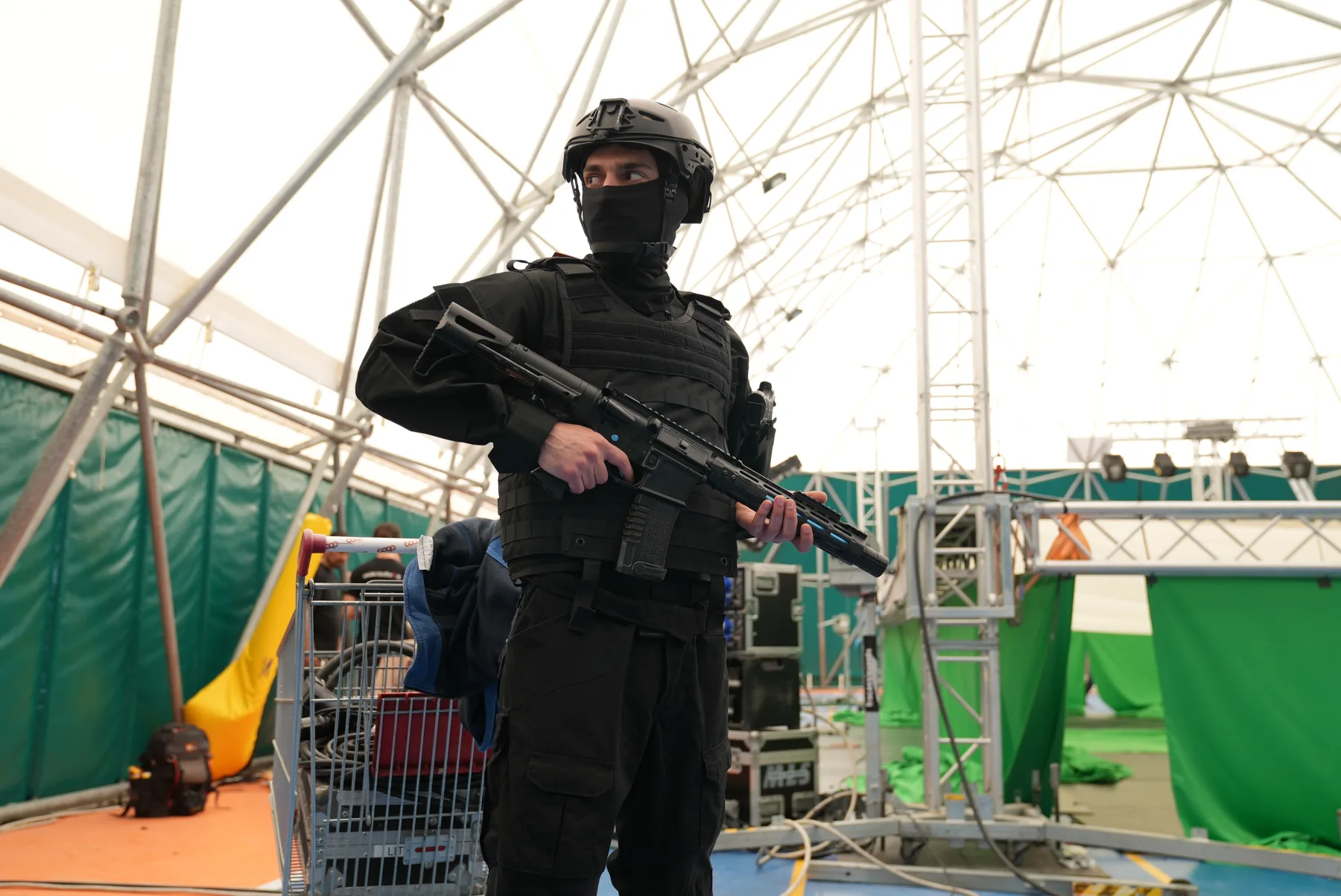
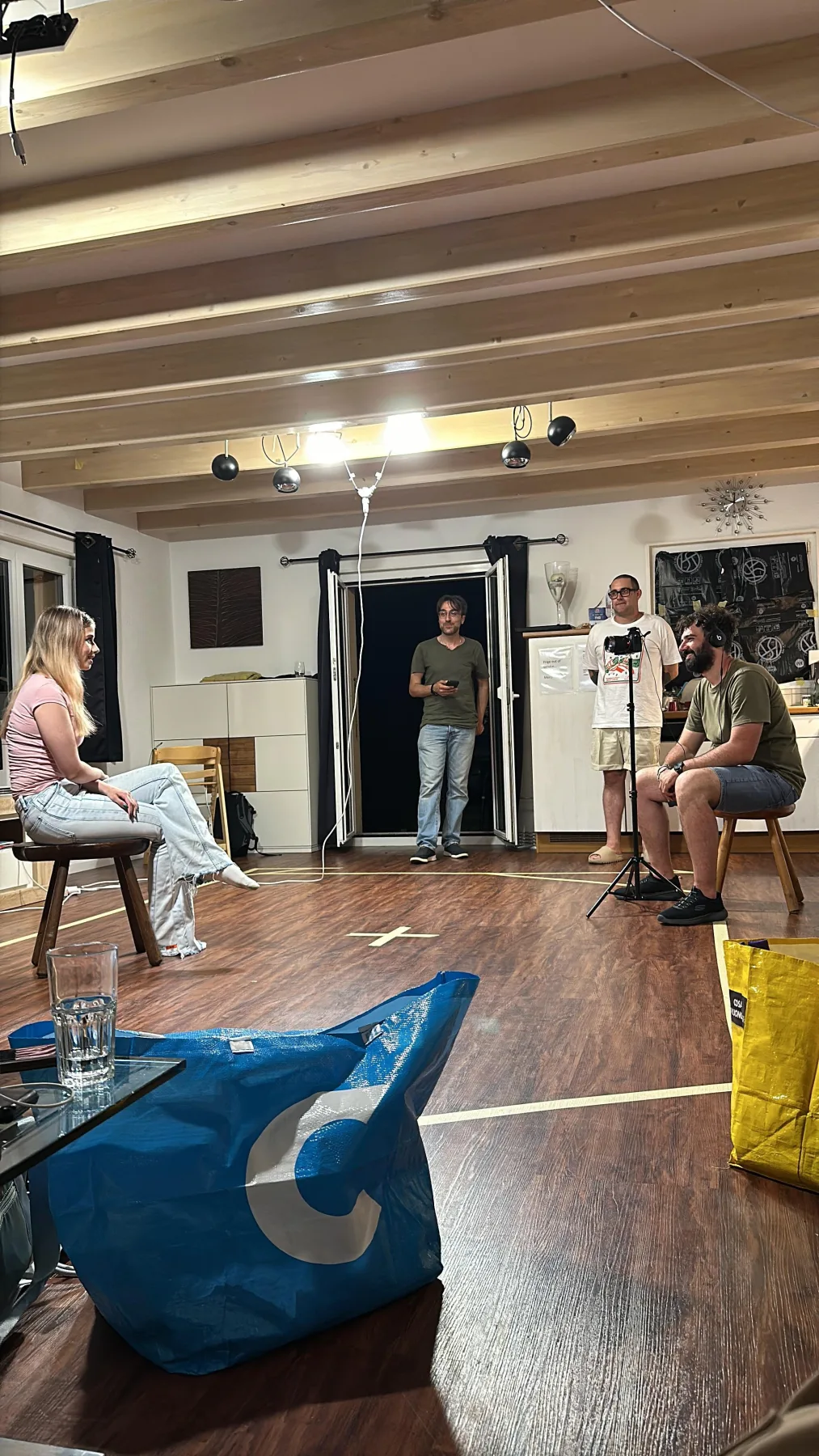
These images show real stages from Luna Dolph – The Lost Echo: digital characters, live action, green screen, a dome set and AI-assisted performance capture.

AI Fulldome Production

AI in the pipeline, not in place of direction

AI can shorten visual research, previsualisation, rotoscoping, tracking and performance capture. We use it only where it improves time or measurable quality; concept, staging, continuity, rights and final approval remain under human control.

Visual development

Rapid exploration of moods and alternatives before committing to final production, followed by selection and rebuilding of approved assets.

Performance capture

Markerless systems can derive motion data from video; animators and directors refine poses, contacts, pace and intent.

Technical automation

Classification, versioning, repeatable checks and assisted conversion reduce errors without skipping visual and audio review.

Provenance and rights

We record sources, licences, versions and AI interventions. Where project tools allow it, we assess C2PA Content Credentials.

No generated asset enters the master automatically. Every element must pass editorial review, rights clearance, brief compliance and dome testing.

Specifications

What we define before production

There is no single file that works for every dome. The master is agreed with the venue or integrator against the real system specifications.

Geometry
Diameter, tilt, orientation, field of view and audience position
Image
Square dome master, resolution, frame rate, codec or image sequence
Audio
Stereo, multichannel or the venue’s required configuration
Versions
Languages, voice-over, subtitles, duration and alternate cuts
Distribution
Naming, metadata, checksums, previews and delivery media
Acceptance
Orientation, synchronisation, legibility, contrast and comfort tests

Use cases

When fulldome production is appropriate

  • You need original content conceived from the outset for a planetarium or immersive dome.
  • A linear film, 360° experience or brand assets must be adapted without losing clarity.
  • The project combines performers, 3D environments, scientific data, interaction or multiple languages.

What it clarifies

Decisions supported

  • Which source format and dome master are compatible with the venue.
  • How attention and motion should be distributed across 180° × 360° without tiring the audience.
  • Where AI, real-time tools and automation add measurable value and where manual work is required.

FAQ

Questions about fulldome production

These answers cover the variables that materially affect schedule, cost, compatibility and delivery quality.

What is a dome master?

It is the hemispherical image representation used to distribute fulldome content. It is generally a square frame containing a circular fisheye image; resolution, frame rate, codec, orientation and naming must be agreed with the venue.

Can you adapt a conventional or 360° video?

Yes, after reviewing the source. Effective adaptation requires recomposition, edge treatment, scale, motion and legibility work; an automatic conversion does not always produce a dome-ready result.

What resolution is required?

It depends on the projection system, dome diameter and distribution channel. Delivery specifications are set before production rather than treating “4K” or “8K” as a standalone measure of quality.

Can AI produce the entire film?

AI can assist specific tasks, but a dependable master still requires direction, rights control, continuity, compositing, audio, colour management and dome testing. Its use is decided task by task.

Can you work with existing assets or teams?

Yes. We can handle the full production or provide concept development, fulldome supervision, conversion, mastering, testing or one stage within the client’s pipeline.

How is the quote calculated?

Duration, visual complexity, original assets, filming, characters, languages, audio, resolution, versions, rights and review rounds all matter. After the brief we propose phases, deliverables and acceptance criteria.
Technical references

Standards and documentation

The project is adapted to the venue specifications; these public references explain delivery formats, rendering cameras, performance capture and asset provenance.

Next step

Get a verifiable project scope

Share your materials, venue and objective. We will reply with technical compatibility, required stages, missing specifications and a proposed scope.

Fulldome Production

Get a technical review and scope

Fulldome Production Share the engagement mode, available materials, venue and objective. We will reply with technical compatibility, required stages, missing specifications and a proposed scope.

Only name and email are required.

By sending the request, you confirm that you have read the privacy policy.