APPS & AI · CONNECTED EXPERIENCES
Apps and AI that carry the experience forward.
We design brand experiences and immersive, interactive experiences for businesses, tourism and public organisations. We develop apps and AI features to support people before, during and after a visit, including extensions to an existing TUN project.
Direct development and reusable components let us start with focused interventions and modest budgets: a phone interaction at a trade show, follow-up content after a visit or a map with a few stops.
App & AI
The task comes before the app.
Two possible journeys for people visiting your space or destination.
Businesses
Explore a product → compare options → save a preference → prepare an enquiry or explore further.
Tourism and public bodies
Choose time and interests → explore a route → reach real places → find an alternative when needed.
Start with one essential function, try it and expand the app over time. For selected projects, a companion web app can be included in the proposal, with functionality and management defined from the outset.
A clear scope, beyond launch.
- First release and launch: initial function, testing and setup.
- Operations: content, hosting and support, with agreed responsibilities.
- Evolution: integrations and further features assessed separately.
The proposal defines inclusions, responsibilities and costs. Apps, personalisation and AI are used only where they address a need.
WHAT WE DEVELOP
A useful digital layer before, during and after the visit.
We build applications for places, products, events and destinations: to find your way, understand a product, choose a stop or revisit content after a visit.
Immediate access
Web apps and PWAs open from a link, QR code or NFC tag without forcing a download. Native apps enter when the device needs to do more.
- Web apps and PWAs
- iOS and Android apps when needed
- Companions for fairs, showrooms and visits
Maps and journeys
Visit sequences, itineraries, stops and contextual content make one space or a network of places easier to understand.
- Maps and itineraries
- Multilingual routes
- Content before and after the visit
Choice and interaction
Configurators, games and interactions turn complex content into clear actions with a useful outcome for visitors and the organisation.
- Configurators
- Games and interactions
- Explicit preference capture
Content and control
CMSs and dashboards separate editorial work from the public experience and make updates, usage and recurring questions visible.
- Multilingual CMS
- Aggregate dashboards
- Roles and approval flows
Objects and systems
We connect the app to the real context only when the integration creates a measurable operational advantage.
- QR, NFC and sensors
- CRM and APIs
- Hardware and control systems
Controlled assistants
Assistants answer from approved sources, state their limits and can hand the request to a person when the content is insufficient.
- Search across approved sources
- Translation and adaptation
- Question and content-gap analysis
TECHNOLOGY CHOICE
We use native technology only when the browser is not enough.
A web app reduces access friction and speeds up updates. Native is appropriate when advanced offline use, Bluetooth, persistent notifications or sensors require specific capabilities. The decision follows the requirements, not the perceived prestige of a technology.
-
Web app or PWA as the foundation
Open from a link, QR code or NFC tag, update immediately and provide one coherent experience across modern devices.
Best fitEvents, routes, showrooms and visits that need immediate access.
-
Native app when necessary
We propose it for extended offline use, Bluetooth, persistent notifications, background processes or intensive sensor access.
CriterionA verifiable technical need, not the download itself as a goal.
-
Modular architecture
CMS, dashboard, maps, modules and identity can be reused and configured without creating an isolated product for every client.
OutcomeA faster launch and a maintainable foundation.
-
Project-defined integrations
APIs, CRM, QR, NFC, sensors and hardware enter after data, responsibilities and failure behaviour are clear.
DeliveryA verifiable and supportable technical scope.
UNDERSTANDABLE, GOVERNABLE AI
Every AI function needs sources, limits and an owner.
AI can help people find an answer, receive a relevant explanation or access up-to-date content. We agree on the sources and who reviews them. Pricing and commercial decisions remain with the team; where simpler functions suffice, we use those.
Concrete tasks
- Answer from approved sources
- Translate and adapt content
- Personalise routes from explicit choices
- Support editorial work
- Analyse questions and information gaps
Project controls
- Human supervision
- No hidden profiling
- Observable and limitable usage costs
- Verifiable sources and updates
- A non-AI mode when appropriate
ORIENTATION EXAMPLE
How can digital tools complete your experience?
Choose an objective and a context to explore how digital tools can support a visit, make content easier to access or continue the relationship after an event.
TUN Lab
Software from our Lab
macOS tools developed by TUN for video and media libraries. View the screenshots and download the available version.
Public beta 0.9.4 (build 10)
VR Converter Studio
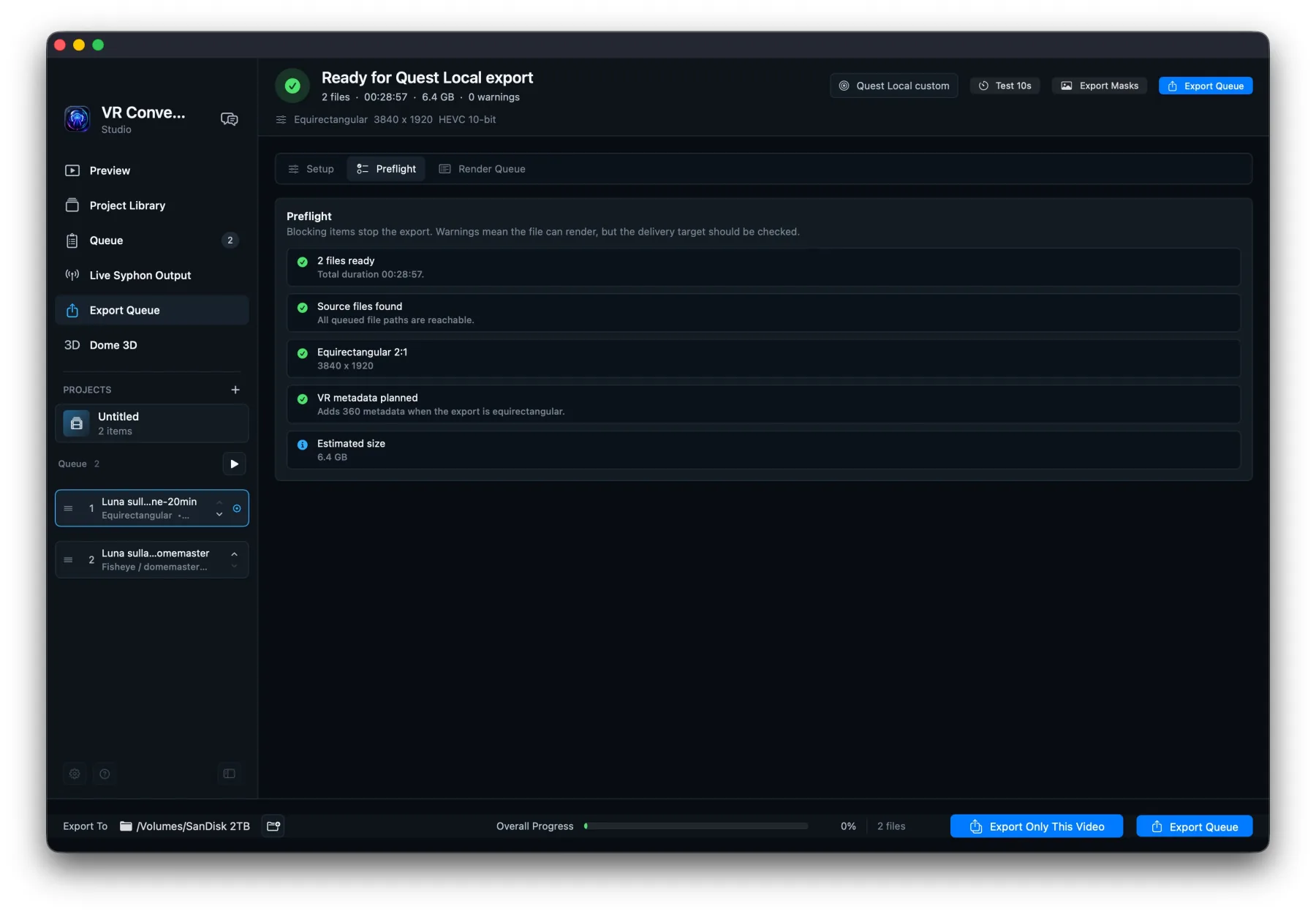
Convert video formats and check the preview before exporting.
Details, screenshots and downloadPublished download 1.1
Similiter
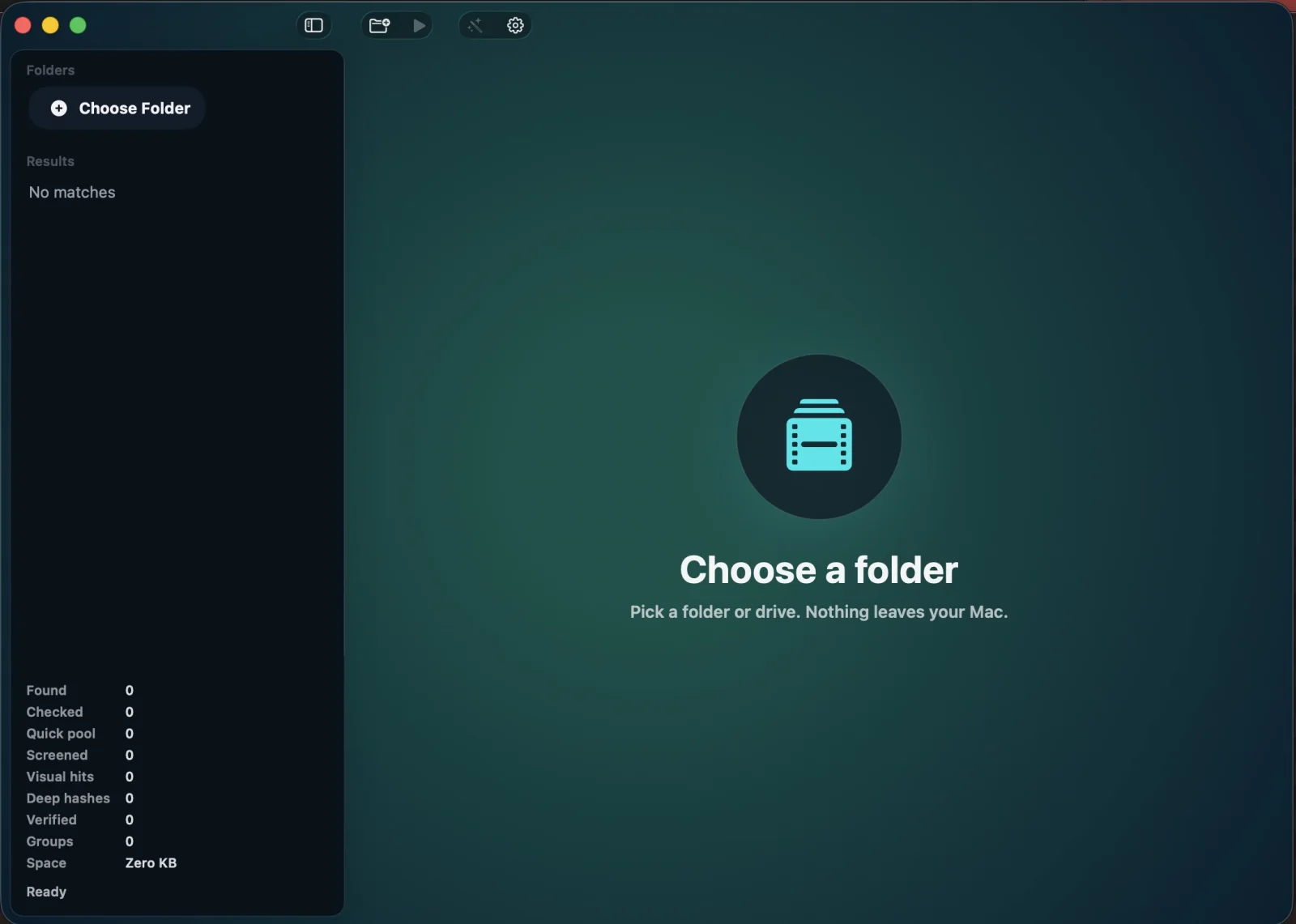
Analyse similarities between media files and compare the results before deciding which ones to keep.
Details, screenshots and downloadTECHNICAL REFERENCES
Standards and principles used as project constraints.
We use the Web App Manifest to define app identity and launch behaviour, and European data principles to define purposes, data collection and responsibilities.
W3C
Web Application Manifest
Defines the format used to describe a web app’s identity, icons, start URL and display mode.
Read the standardEuropean Commission
Principles of the GDPR
Summarises lawfulness, transparency, purpose limitation, minimisation, security and accountability in personal-data processing.
Read the principlesFROM TASK TO SCOPE
What would you add to your experience?
Tell us about the visit, event or route you want to create or improve. Together we define the useful component, the first intervention and how it will be managed.