Imagine receiving a mysterious message on a t-shirt during a concert. Furthermore, that message becomes the key to entering a parallel world of clues, mysteries and immersive musical experiences . In 2007, however, Trent Reznor of Nine Inch Nails turned the promotion of the “Year Zero” album into something revolutionary. This strategy, in fact, anticipated by more than fifteen years what we now call the future of live music through artificial intelligence and virtual reality . As a result, the artist demonstrated how immersive musical experiences create profound connections between artist and audience.
The Narrative Archetypes of Immersive Musical Experiences
While technological evolution pushes us towards unexplored territories, narrative archetypes remain fundamental. In fact, the public loves to identify with the "artist-hero" who transforms ordinary emotions into liberating art. Therefore, this trend manifests itself in concept albums and recurring themes that characterize entire musical genres.
This narrative approach also allows artists to counter the fragmentation of modern listening. Therefore, through coherent albums and interconnected tracks, musicians can keep their attention focused on a specific artistic path. Immersive musical experiences , consequently, represent the natural evolution of this communication strategy.
Furthermore, identity and narrative elements pervade every aspect of contemporary artistic communication. So, from tour sets to marketing campaigns on social networks, everything contributes to building a coherent universe. This article draws information from the book “Unconventional marketing and the music industry: word of mouth in the social media era” by Mariachiara Montebello.
The Visionary Genius of Trent Reznor in Immersive Musical Experiences
Trent Reznor, however, understood the importance of creating 360-degree engaging narratives almost twenty years ago. In 2007, in fact, the collaboration with "42 Entertainment" gave rise to one of the first immersive musical experiences in modern history. The release of “Year Zero” offered the perfect opportunity for this experimentation: a futuristic concept album set in a dystopian America.
The album also evoked apocalyptic scenarios of climate change and Christian military dictatorship. Therefore, Reznor decided to transform these themes into an interactive experience that actively engaged fans. Immersive musical experiences , consequently, became the perfect vehicle to amplify the artistic message through unconventional languages.
The Beginning of the Mystery: T-Shirts and Secret Codes
Earlier this year, some fans noticed highlighted letters on T-shirts sold at a concert in Lisbon. By combining these letters, they also formed the words “I am trying to believe,” which later appeared in the song “The Good Soldier.” Intrigued, therefore, fans searched for explanations on the Internet, arriving at the site iamtryingtobelieve.com.
The site, however, featured graphics similar to the band's official ones but contained disturbing futuristic descriptions. In the year "0000", in fact, terrorist attacks had devastated the United States and government control totally dominated. Furthermore, the government had sedated citizens by spreading the drug “Parepin” in drinking water. These immersive musical experiences thus transformed promotion into interactive storytelling.
The Game Expansion: Phone Numbers and Hidden Messages
The collective debate quickly heated up on Twitter when other fans found t-shirts with mysterious characters. These characters, in fact, formed a Los Angeles number which, when called, reproduced the announcement: “Presidential address: America is born again”. It also followed a distorted preview of a new Nine Inch Nails song.
The game then continued with USB sticks distributed during concerts, containing secret songs and music videos. Furthermore, through spectrographic analysis, fans discovered telephone numbers and web addresses hidden in the audio files. Therefore, they could listen to supposedly stolen conversations and see images inciting “resistance against the government.” Immersive musical experiences thus reached unprecedented levels of complexity.
“The Presence” and the Iconography of Immersive Musical Experiences
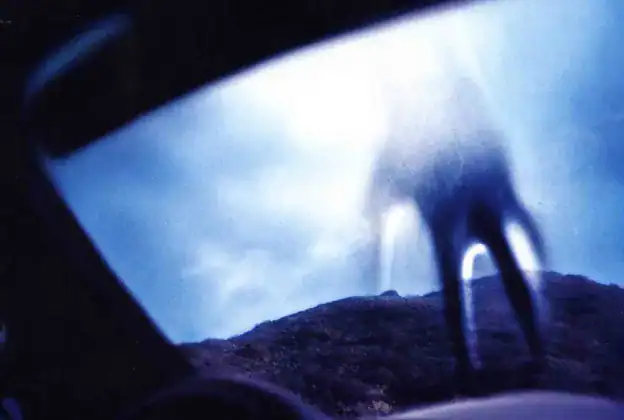
Within this content, fans found constant references to “The Presence,” a mysterious entity. It was, in fact, a large dark phantom arm approaching from the sky towards the Earth. Furthermore, this image was intended to scare and stun men, later revealing itself as a central element of the album cover.
During March, the band distributed lithographs, audio files, and flyers linking to additional websites. Additionally, each item contained physical addresses where further URLs and clues could be found to continue the experience. Immersive musical experiences thus demonstrated how art could extend beyond the traditional boundaries of music.
The Pinnacle: The Secret Concert of Immersive Musical Experiences
The decisive moment came when some fans received invitations by mail to a secret “Resistance meeting”. Furthermore, during this meeting, some participants were given special telephones for future communications. A few days after the album's release, these fans then received a phone call with a specific address.
At the indicated address they found a parking lot and were loaded onto a bus with tinted windows. The vehicle, however, took them to an abandoned warehouse guarded by an armed man on the roof. Furthermore, inside the building, fans were accompanied into a dark room where an actor impersonated the leader of the "Open Source Resistance".
After the speech on the importance of being heard, in fact, Nine Inch Nails suddenly burst onto the stage. The concert, however, was interrupted after a few songs by a fake SWAT team who forced the audience to flee. These immersive musical experiences thus reached the pinnacle of innovation in live entertainment.
The Extraordinary Results of the Campaign
In the ten weeks of implementation, the initiative achieved extraordinary results which certified the success of immersive musical experiences . In fact, it became the third most common search key on Yahoo! and involved a total of three million active participants. Furthermore, it generated two million phone calls, fifty thousand emails and more than one hundred thousand posts on dedicated forums.
Furthermore, thousands of fan art testify to the creative impact of the experience on the community of enthusiasts. The complexity of what was achieved, therefore, received two nominations at the prestigious "Webby Awards". Furthermore, the campaign won the “Cyber Grand Prix” for digital marketing in 2008, certifying the excellence of the immersive musical experiences created.
The Philosophy Behind Reznor's Immersive Musical Experiences
Surprisingly, Reznor declared that he had kept the operation secret from the record company for a long time. In fact, he had personally financed the project to avoid the record company perceiving it as pure commercial marketing. Furthermore, the objective was to create an experience aimed at amplifying the album through languages other than traditional music.
This philosophy demonstrates how immersive musical experiences can transcend conventional promotional purposes. Therefore, when art and technology merge with authenticity, profound connections are born between artist and audience. To further delve into the world of engaging experiences, we also recommend reading "Immersive Events: Your Guide to Transforming the Human Experience" by Dario Riccio.
Lessons for the Future of Immersive Musical Experiences
Reznor's experiment offers valuable lessons for contemporary artists who want to innovate. In fact, it demonstrates how technology can amplify art without replacing its emotional and narrative essence. Furthermore, it highlights the importance of actively involving the public, transforming them from passive spectators into protagonists of the artistic experience.
Today, therefore, immersive musical experiences represent the future of live entertainment and artistic communication. The legacy of “Year Zero” also continues to inspire artists and creatives around the world. Therefore, those who know how to combine artistic vision, engaging storytelling and innovative technologies will create the immersive musical experiences of the future, forever redefining the relationship between art and audiences in the digital age.